AI Mastering vs Human Mastering: Which Should You Use?
What AI mastering does well, where a mastering engineer still wins, how to get better results from either, and a simple way to decide for each release.

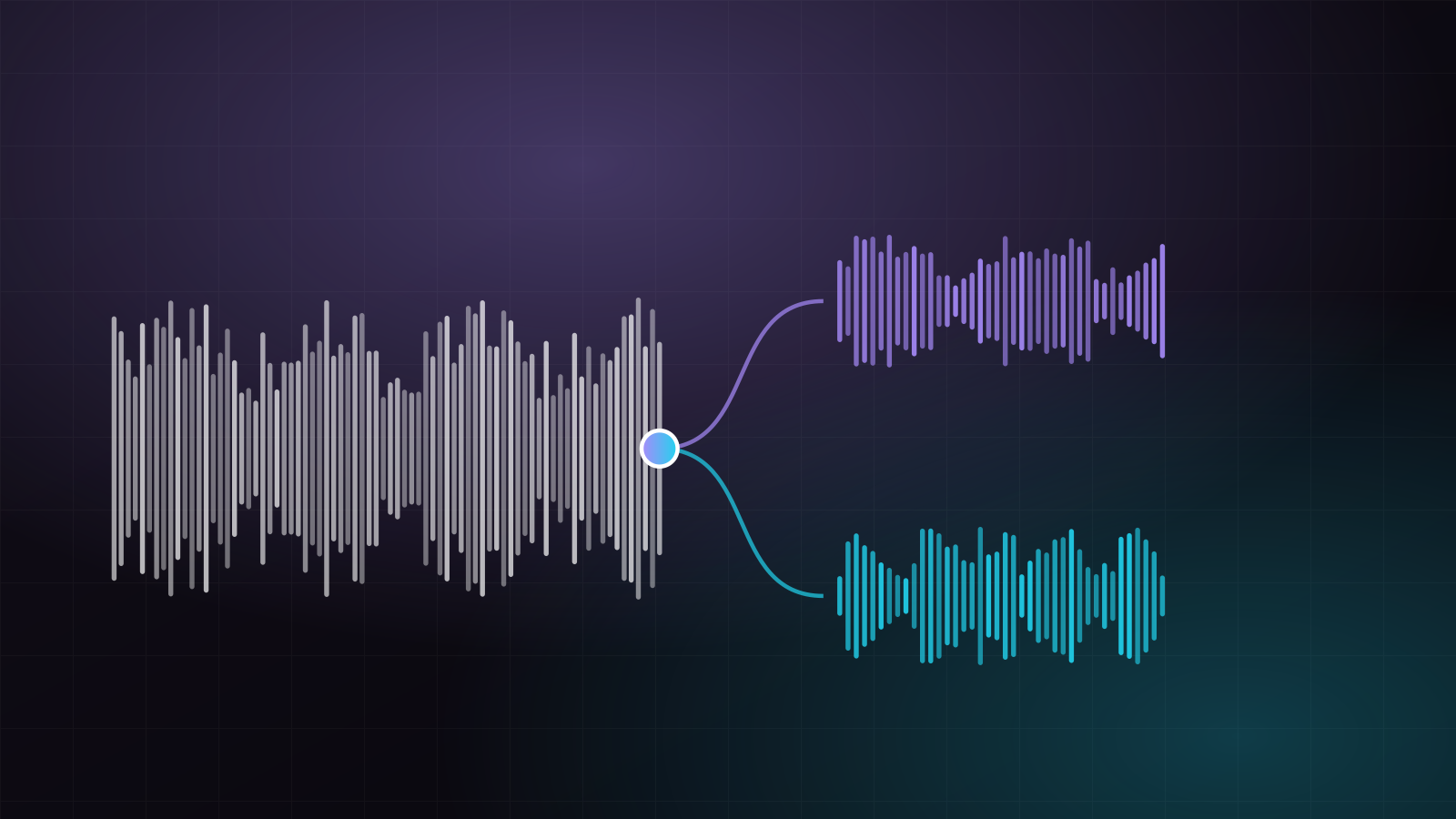
Mastering is the last step before release: balancing the tone, controlling dynamics, setting loudness and making sure the track holds up on every system. You can hand it to an AI service or to a mastering engineer. Both are valid — they just suit different situations.
What AI mastering does
An AI mastering tool analyses your mix — its tonal balance, dynamics, stereo width and loudness — and applies a processing chain to move it towards a target. The HOPEX AI mastering tool lets you choose a genre profile and a loudness target in LUFS, applies true-peak limiting so the file does not clip after streaming conversion, and lets you A/B the master against your original with a report of what changed.
Where AI wins
- Speed. A master in minutes, not days. Ideal for demos, beat-store uploads and quick releases.
- Cost. Practical for producers releasing lots of music.
- Consistency. The same settings across an EP give a coherent loudness and tone.
- Learning. Comparing the master to your mix shows you what your mix was missing — often low-end control or a dull top.
Where a human engineer wins
- Judgement. An engineer can decide that a quiet, dynamic track should stay quiet, or that a harsh vocal needs a narrow cut only in the chorus.
- Feedback. A good engineer will tell you when the problem is in the mix and send it back — no tool does that as well.
- Album sequencing. Spacing, fades and level matching across a whole record are still a human craft.
- Unusual music. Experimental, acoustic or very dynamic genres benefit from someone who can break the rules on purpose.
The mix matters more than either
Neither option can rescue a mix with a muddy low end or a buried vocal. Before mastering, check that your loudest peaks sit around −6 dBFS, the master bus has no limiter, and the low end is controlled. Our mastering at home guide and LUFS explainer cover the details.
A simple way to decide
- Beats, demos, singles on a budget: AI mastering. Fast, consistent and loud enough to compete.
- A track you will push hard with marketing: try AI first, then compare it with a human master if budget allows.
- An album or a very dynamic genre: a mastering engineer, ideally one who has worked in your genre.
How to judge any master
Always level-match before you compare: a louder version sounds better for no reason other than volume. Use a reference A/B tool to compare against a commercial track you love, then listen on earbuds, a phone speaker and in the car. Check the final file with a loudness checker so you know how streaming platforms will treat it.
Master your track with AI →Pick a genre profile and loudness target, then A/B the result against your mix.Frequently asked questions
Is AI mastering good enough for Spotify?
Yes, for most genres. Pick a sensible loudness target, make sure the true peak stays below −1 dBTP, and compare against a reference track.
Should I master my own music?
You can. Many producers use AI mastering or their own chain for most releases and hire an engineer for important projects.
Can mastering fix a bad mix?
Not really. Mastering polishes a balanced mix. Fix muddy bass, harsh vocals and level problems in the mix first.
Want to try it on your own track? See all the free music tools — no account needed.